
Banned book display at my town’s library.
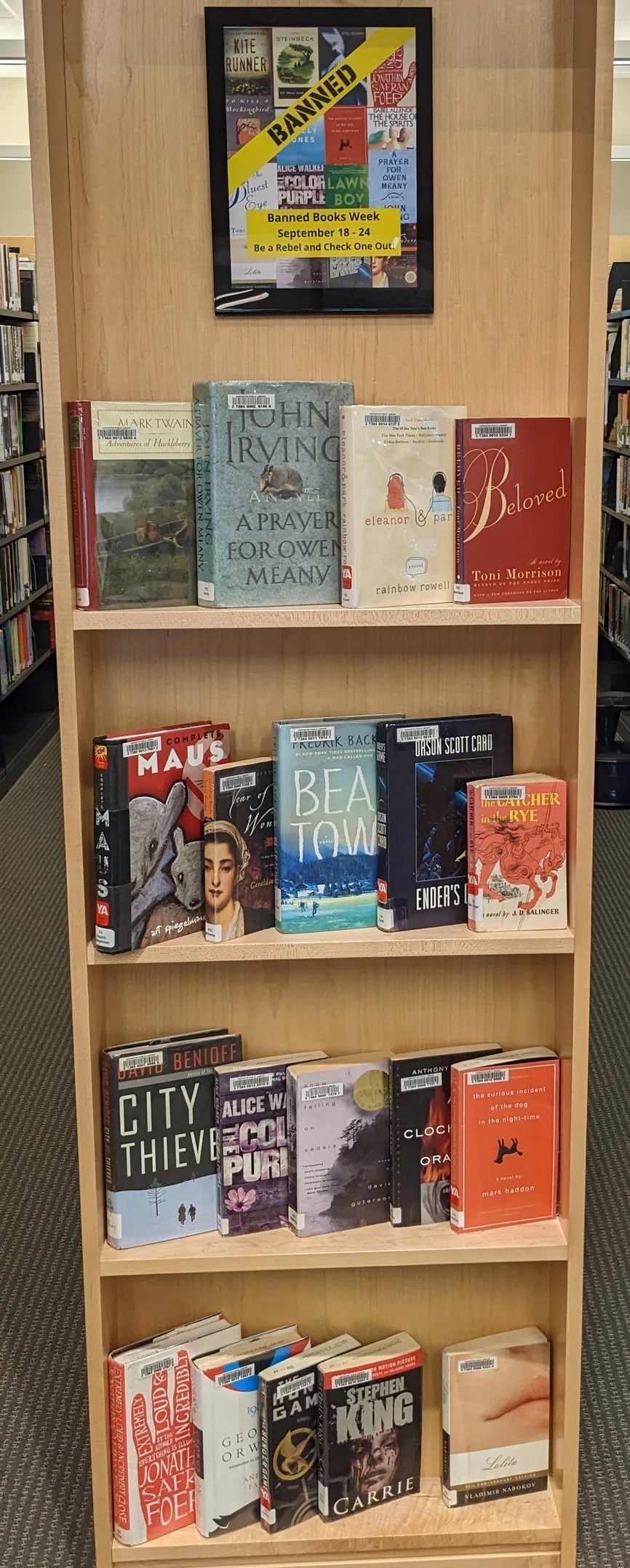
Banned book display at my town’s library.
Fritz Lang displayed a few touches of German Expressionism in Fury, his first American movie, but otherwise it’s directed in a straight-forward way. In the middle of the movie Spencer Tracy can’t use his left arm, and it’s almost a foreshadowing of his performance twenty years later in another powerful morality tale, Bad Day at Black Rock. The only complete online copy of Fury I found has Spanish subtitles, but it’s very watchable.
Frontline’s detailed timeline reminder of the Republican party’s fatal mistake in deciding to not stop Trump, and the damaging consequences of their supreme failure. My view is, if not for Covid — which isn’t even mentioned in the program — Trump would have won re-election.
Gee… that’s right! What was the DOJ thinking? Following due process with a valid search warrant gave them no right to seize secret government documents that Trump had taken without cause, casually mixed in with some personal belongings, then left in unsecured areas.

Trump-appointed judge gives Donald another stay-out-of-jail card.
WASHINGTON (AP) — In a legal victory for former President Donald Trump, a federal judge on Monday granted his request for a special master to review documents seized by the FBI from his Florida home and also temporarily halted the Justice Department’s own use of the records for investigative purposes.
I tend to stay away from cable news, even when it’s bashing Donald, but this bizarre tidbit about the 45 Wine & Whiskey bar in Trump Tower is worth making an exception.
Trump probably knows nothing about wine and whiskey, except its potential for abuse. Because the one positive thing in his otherwise toxic existence is he doesn’t drink. Alcohol destroyed his older brother, Fred Jr., and Donald was smart to abstain. Otherwise, imagine how much worse he would be.

Don’t see how Biden’s anti-MAGA speech, overdue and necessary as it was, will do much good. Meanwhile, the details about the retrieved documents keep getting worse.

Trump’s MAGA believers will get fooled again.