
The Platters on Disc
The Disk Platters
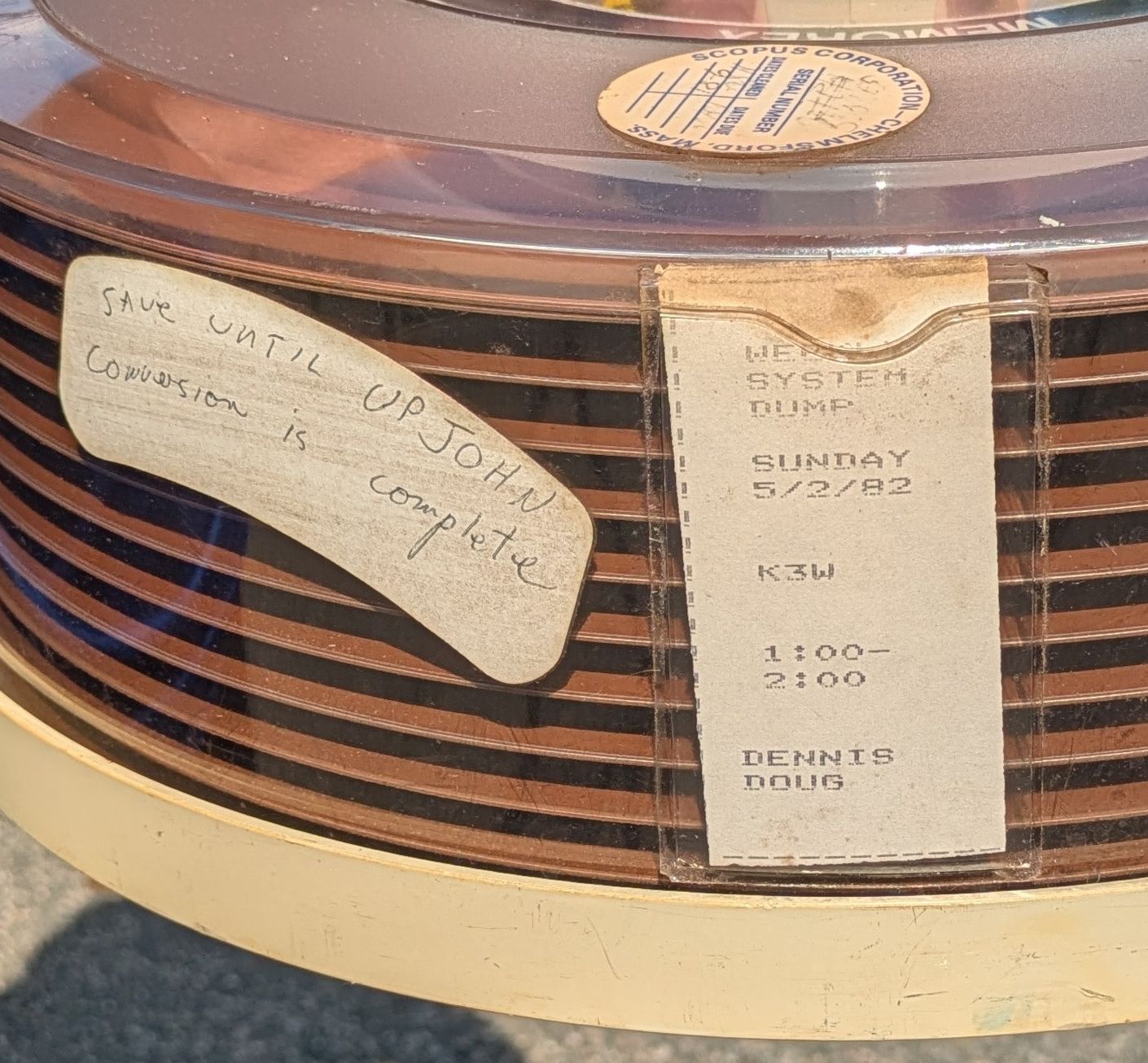
Until we have confirmation the Upjohn conversion was completed, Denro will continue to hold onto that data disk pack!
The Platters on Disc
The Disk Platters
Until we have confirmation the Upjohn conversion was completed, Denro will continue to hold onto that data disk pack!
Well, lookie here. Microsoft’s Mark Russinovich* arranged for a meetup between Bill Gates and Linux’s Linus Torvald, and there’s another legendary technology master, Dave Cutler. I’d say that Linus and Dave continue to be all about the tech, and Bill much less so.
* The impossibly youthful looking Russinovich has had an enviable career path. I first knew of him from his Windows Internals books. Russinovich began to independently develop a set of software utilities that he called Winternals and he published them on his Sysinternals website.
https://learn.microsoft.com/en-us/sysinternals/downloads/sysinternals-suite
Sysinternals became such an impressive endeavor that Microsoft brought Russinovich on board and he’s now the CTO of its massive cloud server network, Azure.
https://news.microsoft.com/source/2006/07/18/microsoft-acquires-winternals-software/
A few days ago I wrote about the risks of AI and the Large Language Model. Here’s Mark talking about LLM and the avoidance of Truthiness.
Part 1: For decades, tobacco companies claimed that smoking wasn’t harmful. Did they have proof? Of course not. Did the oil industry have any proof that it was safe to keep using lead as an additive in gasoline? Nope. The claimed health benefits of drinking red wine didn’t hold up to impartial scrutiny.
Do deniers of climate change have a valid point in their refusal to accept Al Gore’s inconvenient truth? No, they do not, yet they persist as if a few, isolated papers written by partisan cranks have enough weight to counter the conclusions of almost every climate expert. Using AI to amplify lies as if they are validated facts isn’t just a possibility, it’s already happening.
I don’t keep up with technology as much as I did when working in the business, but it appears the Hadoop big data project is no longer the next big thing. Now it’s the Large Language Model (LLM). The results generated by Artificial Intelligence searches follow the old truism, “garbage in, garbage out.”
Robots.txt: “A robots.txt file tells search engine crawlers which URLs the crawler can access on your site.”
https://developers.google.com/search/docs/crawling-indexing/robots/intro
XML Sitemap: “A sitemap is a file where you provide information about the pages, videos, and other files on your site, and the relationships between them.”
https://developers.google.com/search/docs/crawling-indexing/sitemaps/overview
LLM: “… a statistical language model, trained on a massive amount of data, that can be used to generate and translate text and other content…”
https://cloud.google.com/ai/llms
LLMS.txt: “A proposal to standardise [sp] on using an /llms.txt file to provide information to help LLMs use a website at inference time.”
https://llmstxt.org/
Although robots.txt isn’t a mandatory file, it’s safe to say almost every website has one. Creating an XML Sitemap requires a bit more work. I didn’t have one until getting serious about fixing the crippling technical problem (resolved in December, 2021) that kept this place from appearing on Google and prevented WordPress from updating itself.
Do we need another method of optimizing web searches? LLMS.txt has the potential of being misused by intentionally manipulating the Large Language Model for AI in ways that could validate false or misleading data.
Bitcoin started the rush for Nvidia graphic processors that denied PC gamers their highest framerate FPS fun. Then AI further accelerated the demand for GPU’s. So both technologies are relying on the same class of hardware.
For all of the emphasis on blockchain conferring incontrovertible provenance of a Bitcoin’s digital token ownership, where is the assurance of provenance for AI’s “knowledge”? I wanted to put AI to a very small, innocuous and perhaps irrelevant test.
Intermission:
Part 2: A particular class of technology that I have been more actively keeping up with is video projectors.
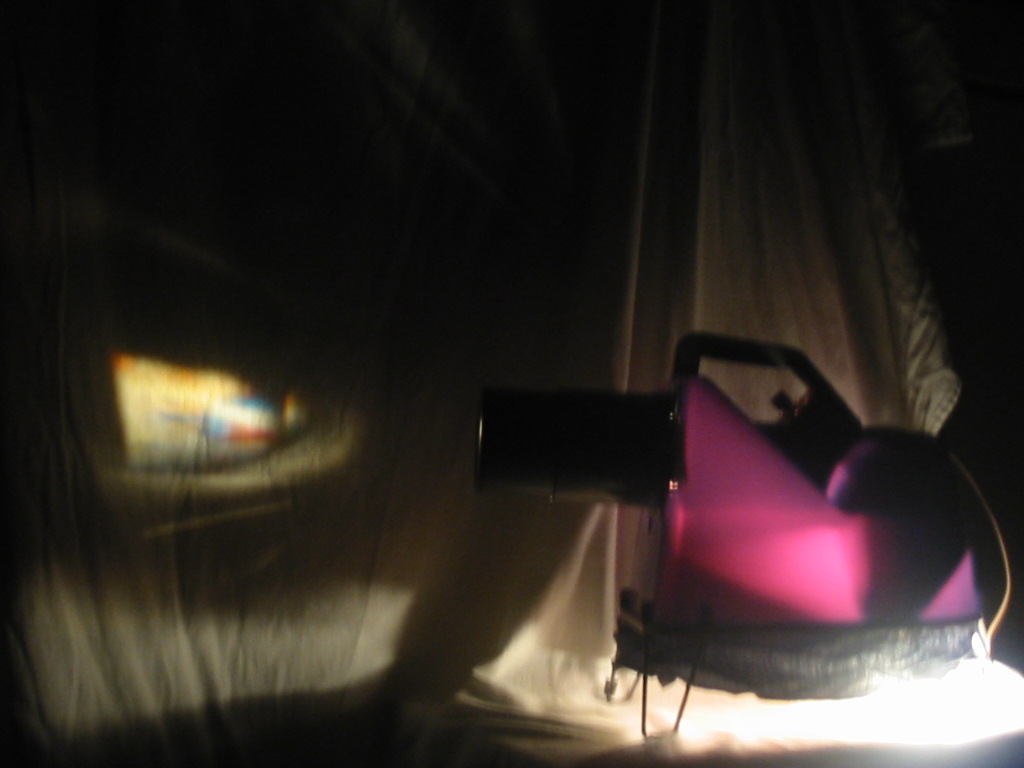
TI’s DLP projector technology is ideal for movie theaters, where light loss must be minimal. Professional DLP projectors have three mirror array chips. 3LCD projectors are limited mostly to home and office use. They have, as the name implies, three LCD panels, one for each primary additive color, being red, green, and blue.
Home DLP projectors have a single chip. That means the colors must be projected sequentially. Although single-chip DLP has no convergence error like 3LCD, and its contrast ratio and black level are superior to 3LCD, for a long time there was no comparison between DLP’s relatively muted color output and 3LCD’s superior color quality.
A significant issue for me with single-chip DLP is the “rainbow effect.” Perhaps it’s due to my cataract replacement lenses, but I am extremely susceptible to the rainbow effect. As documented thirteen years ago, I was likewise affected by “phosphor lag” on plasma TV’s.
Triple laser, sometimes combined with LED, is a new way of generating color in single-chip DLP projectors. It eliminates the old, mechanical spinning color wheel. Triple laser is finding its place in short-throw projectors, a type of product that holds no interest for me.
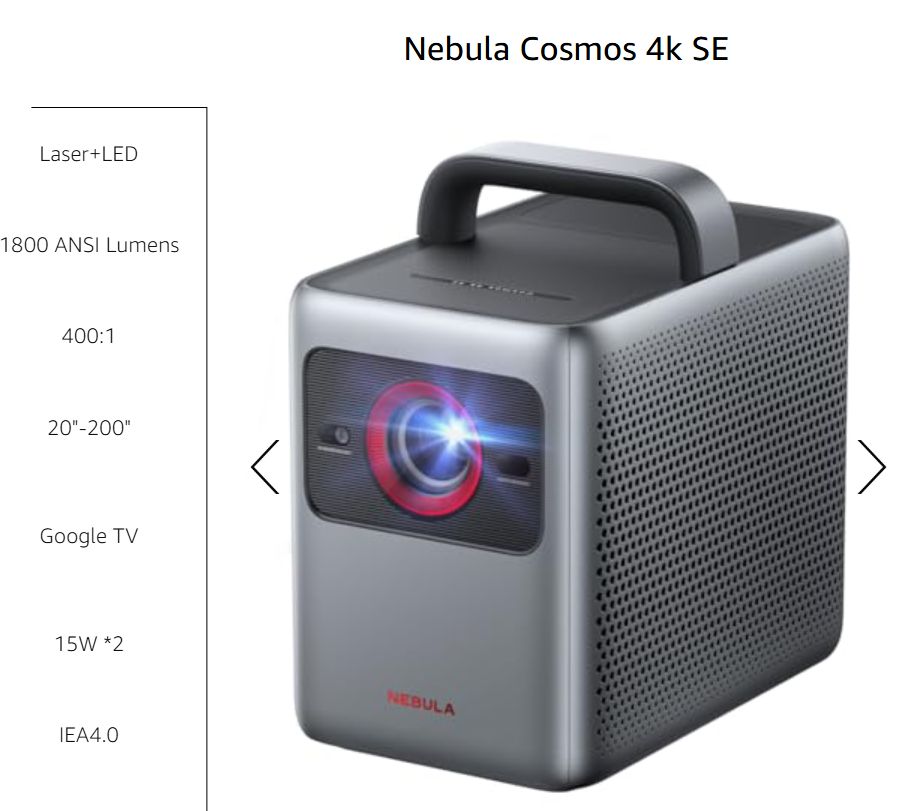
The result with triple lasers compared to the old color wheel is outstanding color reproduction. But is the rainbow effect eliminated? Techmoan takes a while to bring it up in his review of the Nebula Cosmos 4K SE projector (not a short-throw model), but he gets there.
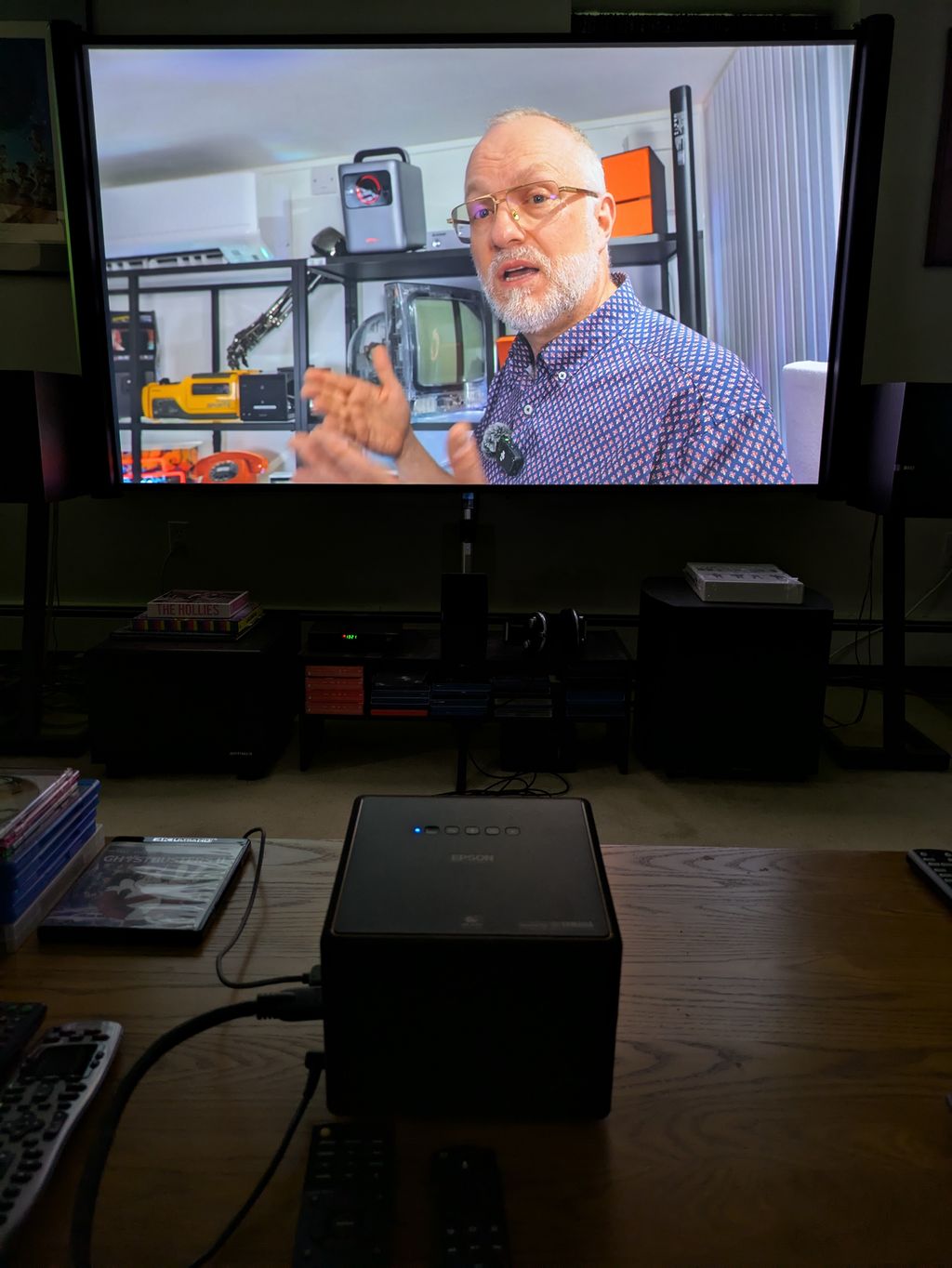
Two years ago I bought a similar product, the Epson Mini EF12, a 3LCD projector. Techmoan says the Nebula’s black level can’t compare with an OLED TV, but nothing can except for a still-working plasma TV. The native contrast for an inexpensive 3LCD projector like the EF12 may be only 400:1, whereas a comparable triple laser DLP could be 3500:1. (The ratings for JVC D-ILA high-end projectors start at 40,000:1.)*
The Nebula’s software settings are far more advanced than the limited controls on the Epson. As impressive as the Nebula projector is for the money, all I needed to hear Techmoan saying was, “The rainbow effect is sometimes noticeable on the projector.” No thanks.
The EF12 is my projector for casual viewing in the Pratt Cave. It isn’t suitable for dark scenes, because they appear very washed out. Cartoons and brightly lit news broadcasts look quite good, as do many YouTube videos, like the ones posted by Techmoan.
So what does all of this have to do with AI? Thanks to Techmoan I know DLP exhibits the rainbow effect, even with a triple laser. Now I want to know why that’s true. I used Chrome to search Google and specified AI Mode:
“why do triple laser dlp projectors have rainbow effect”
The explanation for the rainbow effect, that “the lasers themselves rapidly switch between the primary colors,” seems to come from some guy on Reddit. Is it correct? My little innocuous search reveals that a plausible answer has been obtained from an unknown source. All I know for certain is Techmoan can see the rainbow and he doesn’t mind it, but it would distract me to the point of getting a headache.

Part 3: AI definitely has a future in medicine. Although the risks for a patient can be great in the event of a mistake, there’s so much potential in AI to improve diagnosis and the quality of medical imaging. AI being able to sift through millions of confirmed cases — anonymously, presumably — could greatly improve the quality of care. For example, the symptoms of conditions such as Parkinson’s Disease and colon cancer wouldn’t be ignored or misdiagnosed by a relatively inexperienced physician who might otherwise be inclined to tell a patient, “you’re too young to have [disease name].”
AI used for partisan political purposes scares me, and it isn’t reassuring to know that it can be used effectively by both sides. The genie is out of the bottle, but be careful what you ask for. I say, “everybody slow down and take a breath.”
* To my surprise, Techmoan’s DLP projector has a rated contrast ratio of only 400:1.
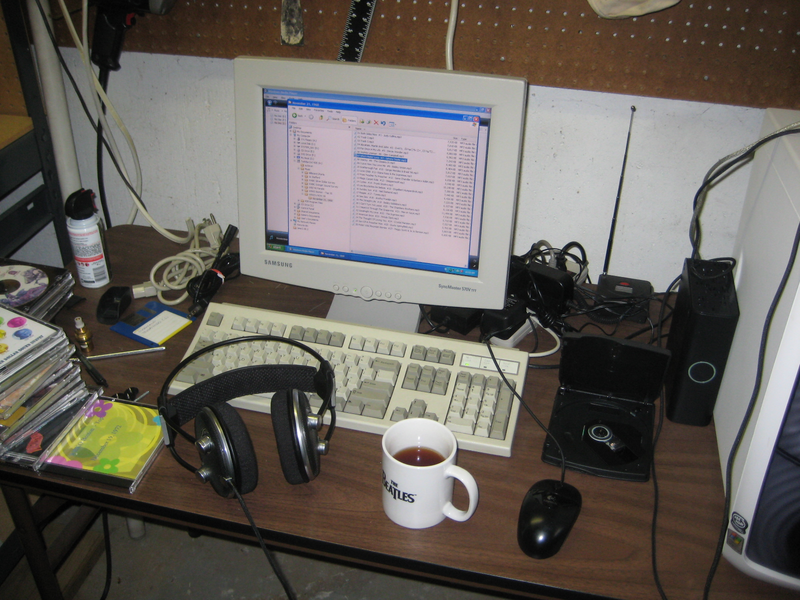
For fun, I’m going to power up my one remaining Windows XP system. It was purchased on the day that XP was released, October 25, 2001. The end of support for Windows XP didn’t bother me. It gave me a reason to buy a 64-bit computer.
Support for Windows 10 ends on October 14, and that bothers me. In addition to my Windows 11 laptop computer, I have two desktop and two laptop systems running Windows 10. They aren’t very fast, especially the three running on mechanical hard drives, but they continue to be useful. None of them meet the TPM hardware requirement for Windows 11. Dave Plummer explains.
Microsoft’s historical pattern is to release new features, often of dubious value, that are easily exploited and then have to be patched after being discovered in the field. Do I believe that TPM will provide essential, lasting additional security? Nah, the hackers will find ways around it. The protection is immaterial anyway, as the real threats aren’t from weak security on home PCs, but hacked data centers. Remember the Solarwinds event?
https://www.techtarget.com/whatis/feature/SolarWinds-hack-explained-Everything-you-need-to-know
I don’t plan to abandon my Windows 10 systems when support ends, but at some point I will need to replace my primary desktop system, a Dell tower with an Intel i5 and 8 GB of memory. What will I get?
I have never owned an Apple product. I was kept away by the cost and the lack of hardware options resulting from Apple being a closed system.
My first desktop system was a no-name white box with an AMD 40 MHz processor, 4 MB of memory and a 160 MB hard drive. It came with DOS and Windows 3.1 on floppy disks that I had to install myself, which was my preference. I bought it with the intention of opening the case. An Apple system would have cost twice as much and opening the case would have voided the warranty.
Having first bought a cellphone thirty years ago, when Windows 95 was new and mobile phone service was analog, I delayed getting a smartphone for as long as possible. After so many years of eschewing Apple computers, I wasn’t interested in embracing its phone ecosystem. So I went with Android, but I did that by following Apple’s integrated system lead and buying Google Pixel phones.
I’m very tired of updating and restarting Windows, so in a weird way I’m looking forward to October 14. Although I’m always looking for a good deal, cost is less of a concern than it was. Perhaps I will finally consider going with Apple. Dave explains some of the technology that makes their latest systems so wicked fast.
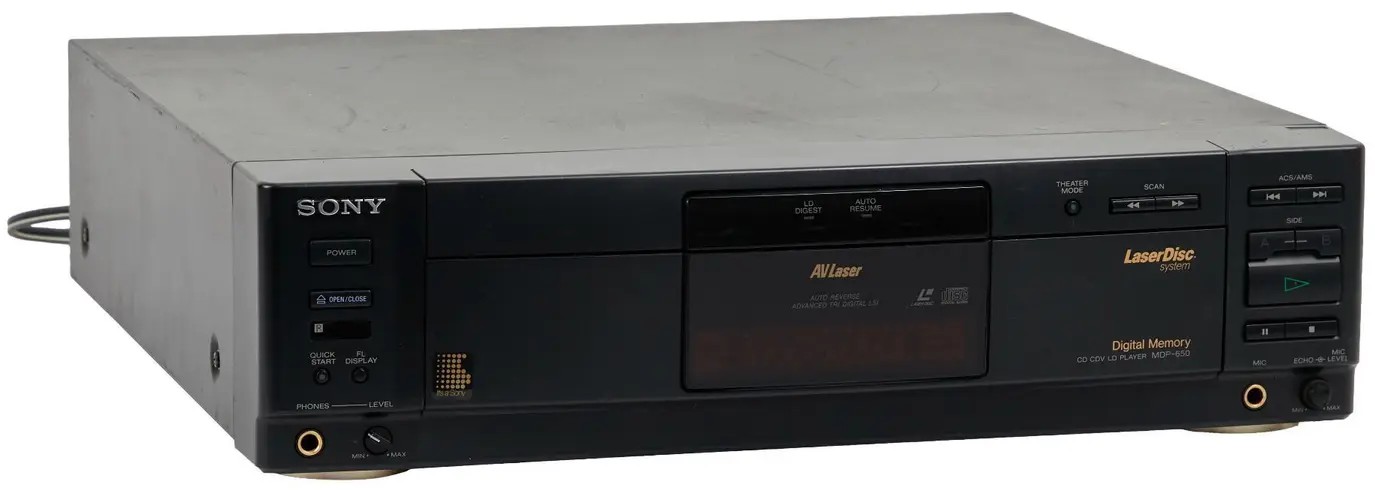
David Lynch’s estate is holding an auction, with the notation that, all sales are final and all lots are sold “as-is.” One of the items up for grabs is his Sony LaserDisc player and a collection of his discs.
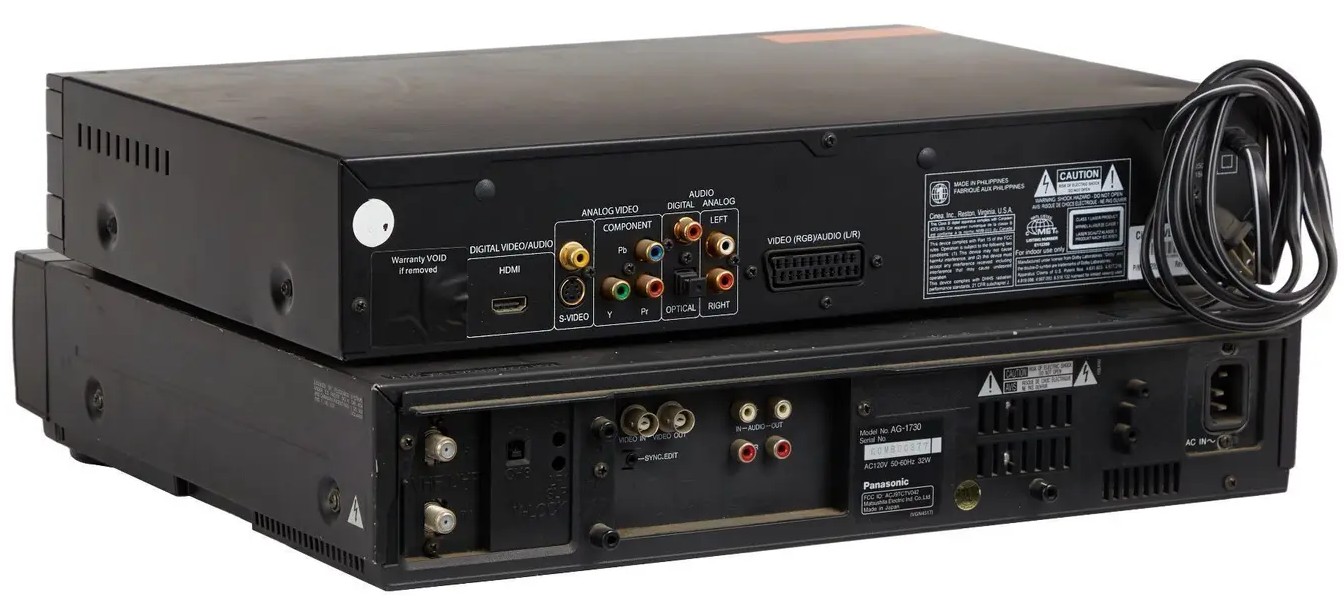
Also available is a very esoteric Cinea DVD player. It’s esoteric because the short-lived Cinea decks were used to secure Academy Award “screener” discs that were distributed for Oscar voting. The hardware came with a complete complement of connections.

This weekend and beyond will see significant traffic delays at the busiest of all the Mass Pike interchanges, due to work on long overdue bridge replacement and repair. I’ll be using the interchange today, before this weekend’s highway chaos, to pick up a bookcase I ordered. It’s intended for the space downstairs where the piano had been.*
Last summer, it was raining heavily when I was on a Route 90-to-95 offramp, driving to one of my 28 weekday radiation treatments at the hospital. As I went around a tightly curved overpass, a sporty, late model Audi sped past me. The driver lost control on the wet pavement, he skidded, then spun around 90 degrees before stopping sideways. The car’s front end was sticking into my lane, but I had no difficulty in maneuvering to prevent an accident.
As I swerved around the Audi I saw that it had high performance tires with a very low profile — tires that typically do not do well on wet roads. My tires are the Michelin CrossClimate2, known for their exceptionally good traction in rain and snow. I credit the Michelins more than my driving skill in avoiding an accident. In my mind, that singular incident justified the CrossClimate2’s premium price.
That traction comes with an extra cost, however, and that’s mileage. The CrossClimate2 has relatively high rolling resistance, which I knew when buying them. Compared to the Bridgestone tires that came with my Camry, I’m losing about 10% in gas mileage. An acceptable tradeoff for improved traction, as since retiring I’ve been driving only about 4,000 miles/year.
I don’t know when I’ll be getting my next (and perhaps final) car, but I like that Toyota will be making all future RAV 4 models as gas-electric hybrids. I’m not ready for an all-electric car, and I doubt I ever will be. Primarily because it will be many years before America’s power grids are ready for a nation of mostly all-electric cars.
There is something else about EV’s that concerns me. Their weight adds significantly to the damage they can cause in a collision with other cars and, especially, with pedestrians. Another concern is the environmental tradeoff in how frequently their special tires need replacement, as explained here by CNBC.
* No bookcase yet. Argh. Tomorrow!